Climb Kilimanjaro via the Lemosho Route – Scenic & Successful

The Lemosho Route is one of the most scenic and rewarding ways to climb Mount Kilimanjaro. It offers a high success rate with fewer crowds and stunning views.

Lemosho Route: The Best Way to Climb Mount Kilimanjaro

The Lemosho Route is one of the most beautiful and successful ways to climb Mount Kilimanjaro. It starts on the western side of the mountain, offering panoramic views, rich biodiversity, and a gradual ascent. This slower pace helps climbers acclimatize better, so the chance of reaching the summit is higher.

Why Choose the Lemosho Route?

Unlike the busier Marangu and Machame routes, Lemosho is less crowded, and it provides a peaceful trekking experience. You pass through stunning landscapes, including:

  • Lush rainforests, home to colobus monkeys and other wildlife
  • Open moorlands with panoramic views
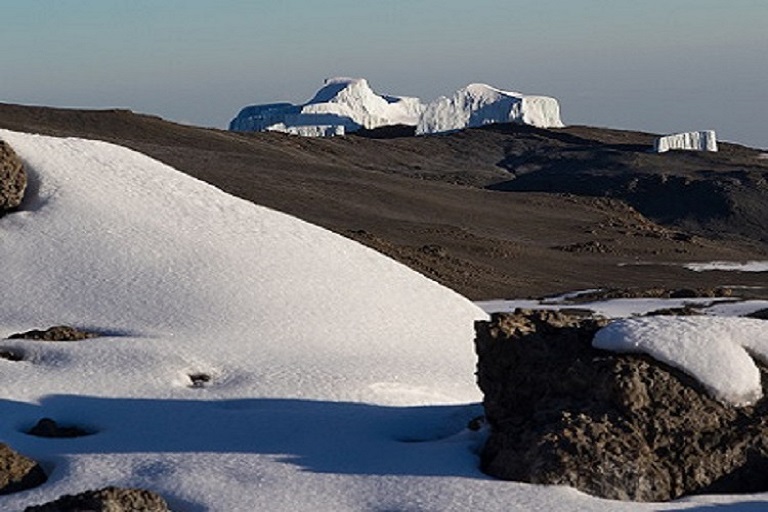
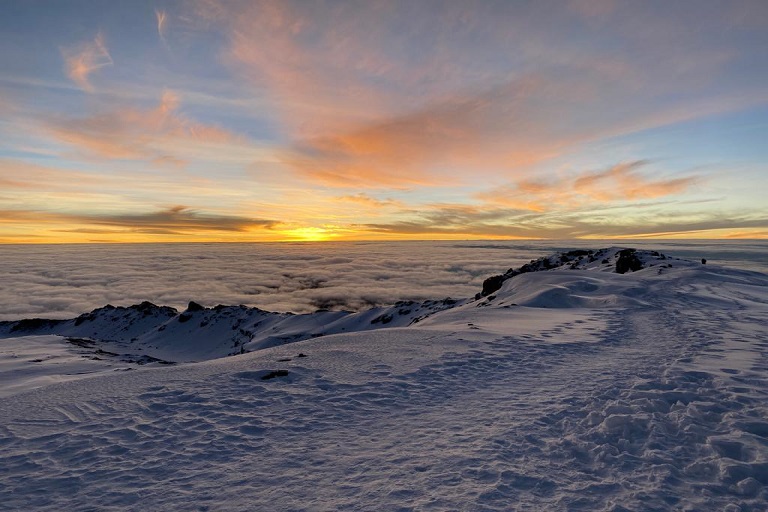
  • Alpine deserts leading to the icy summit

Its longer duration and carefully planned elevation gain make it perfect for climbers who want both adventure and a strong chance of summiting.

Who Should Take This Route?

Lemosho suits both beginners with good fitness and experienced trekkers. It is ideal because it combines:

  • Adventure and scenic beauty
  • Gradual ascent for safe acclimatization
  • Higher chances of reaching Uhuru Peak

Whether you want a peaceful journey, rich wildlife, or a scenic challenge, the Lemosho Route delivers a rewarding experience on Africa’s highest peak.

Highlights Along the Trail

  • Shira Plateau: A vast volcanic plain with breathtaking views
  • Lava Tower: A key acclimatization point on Day 4
  • Barranco Wall: A dramatic and scenic climb
  • Diverse ecosystems: From rainforest to alpine desert to icy summit

Every day brings new sights and wildlife, making the trek an unforgettable adventure.

Duration and Acclimatization

The Lemosho Route typically takes 6 to 8 days. Because of this longer schedule, climbers have more time to adjust to the altitude. So, the risk of altitude sickness is lower, and summit success is higher.

7-Days Lemosho Route

6 Days Lemosho Route

The 6-day Lemosho Route is a scenic but fast-paced trek up Mount Kilimanjaro, so it is best for experienced hikers. It starts on the western side of the mountain and then merges with the Machame Route on day three.

Machame Route

7 Days Lemosho Route

The 7-day Lemosho Route offers a better balance between time and acclimatization, so it is a popular choice for climbers on Mount Kilimanjaro. It begins in the lush rainforest on the western side and gradually ascends through varied ecosystems, giving trekkers a scenic and manageable journey.

6-Days Lemosho Route

8 Days Lemosho Route

The 8-day Lemosho Route is the most recommended for maximum acclimatization and summit success on Mount Kilimanjaro. It has a slower pace, and because it includes an extra day for rest or gradual altitude gain, climbers are better prepared for the high altitudes.

Best Time to Climb the Lemosho Route

The best times to climb the Lemosho Route on Mount Kilimanjaro are during the dry seasons, like January to early March and June to October. These months offer stable weather, clear skies, and the best trail conditions, so trekking is safer and more comfortable.

January to March is less crowded, but it may bring occasional snow at the summit. June to October is the most popular because it consistently offers dry weather and good visibility.

Although the route is open year-round, and because the rainy seasons occur in April to May and November, avoiding those months helps climbers enjoy better trails, improved safety, and higher chances of reaching the summit.

Difficulty Level

The Lemosho Route on Mount Kilimanjaro is moderately challenging. It is suitable for beginners with good fitness and determination, and for experienced trekkers alike. Its main advantage is the gradual ascent and longer duration, because this allows the body to acclimatize and reduces the risk of altitude sickness.

The itinerary uses the “climb high, sleep low” approach, especially on Day 4 at Lava Tower, so your body can adjust more effectively. With proper pacing, rest, hydration, and guide support, many climbers reach Uhuru Peak successfully. But altitude-related challenges can still happen, so careful preparation is important.

Success Rate of the Lemosho Route

The Lemosho Route on Mount Kilimanjaro has one of the highest summit success rates, often exceeding 90% on 8-day itineraries. Its gradual ascent, planned rest days, and longer duration help climbers adjust to altitude safely, so the risk of severe altitude sickness is lower. Unlike shorter routes like Marangu or Rongai, Lemosho balances adventure and acclimatization, making it ideal for those aiming to reach Africa’s highest point.

Wildlife and Scenery on the Lemosho Route

The Lemosho Route on Mount Kilimanjaro is famous for its diverse landscapes and abundant wildlife. The trek begins in a lush montane rainforest, home to blue monkeys, colobus monkeys, and many bird species, so the start feels alive and vibrant.

As you climb, the scenery changes dramatically from rainforest to moorlands, then to alpine deserts, and finally to the icy summit zone. You’ll cross the Shira Plateau, a vast volcanic plain with panoramic views, and tackle landmarks like the Barranco Wall, but each challenge comes with breathtaking scenery.

Every day brings new natural beauty, and so the Lemosho Route is not just a climb—it is a fully immersive visual adventure.

Packing List for Lemosho Route Climbers

Packing for the Lemosho Route requires preparation for varied climate zones, from humid rainforests to freezing summit conditions. Here’s a brief checklist:

Kilimanjaro Climbing Via Lemosho Route

The Lemosho Route is a popular route for climbing Mount Kilimanjaro, known for its scenic beauty, lower foot traffic, and high success rates. It’s considered the most beautiful route by many and offers incredible panoramic views. The Lemosho route is typically tackled in 6 days, 7 days, or 8 days, with the 8-day option being ideal for better altitude acclimatization, leading to a higher success rate of around 95%.

6-Day Lemosho Route
85%
7-Day Lemosho Route
90%
8-Day Lemosho Route
95%

FAQs About Climbing Kilimanjaro

While you don’t need to be an elite athlete, a good level of physical fitness is important for a successful Kilimanjaro climb. The trek is more about stamina than speed, so prior hiking experience, aerobic endurance, and the ability to walk long distances for several consecutive days are crucial. Regular cardio workouts, strength training, and hiking with a backpack in the months leading up to your trip can significantly improve your chances of reaching the summit. Most importantly, mental preparedness and determination play a key role in overcoming the physical challenges of the climb.

The best times to climb Kilimanjaro are during the dry seasons: from January to early March and from June to October. These months offer the most stable weather, clear skies, and better trail conditions, which increase your chances of a successful summit. January to March is slightly colder and less crowded, while June to October is warmer and coincides with the peak trekking season. Although climbing is possible year-round, the rainy months of April, May, and November can make trails slippery and visibility poor.

The best route depends on your preferences, fitness level, and time available. The Machame Route is highly popular for its scenic variety and good acclimatization profile. The Lemosho Route is favored for its breathtaking views and lower crowd levels, ideal for those wanting a more remote experience. The Marangu Route is the only route with hut accommodations and is often chosen by those seeking comfort, while the Rongai Route is drier and quieter, starting from the north side of the mountain. Each route offers unique advantages and varying success rates.

Packing for Kilimanjaro requires preparation for a wide range of weather conditions, from warm lowlands to freezing summit temperatures. Essentials include thermal base layers, insulated jackets, waterproof outerwear, hiking boots, gloves, a warm hat, sunglasses, and a sleeping bag rated for cold temperatures. Also bring a headlamp, trekking poles, water bottles or hydration system, high-energy snacks, and personal toiletries. Most tour companies provide tents and cooking gear, but you should check with your guide for a full packing list and gear recommendations.

Yes, altitude sickness is one of the biggest challenges when climbing Kilimanjaro, as you ascend to 5,895 meters (19,341 feet). Common symptoms include headaches, nausea, dizziness, and fatigue. To minimize the risk, choose a route that allows gradual acclimatization, go slowly during the trek, stay hydrated, and avoid alcohol. Many climbers also take medication such as Diamox to prevent symptoms. Reputable tour operators monitor climbers closely and are trained to respond to altitude-related issues, including organizing emergency descents if necessary

Yes, it is mandatory to climb Kilimanjaro with a licensed guide through a registered tour operator. The Tanzanian government enforces this rule to ensure climber safety, environmental conservation, and proper support for local porters and staff. Your guide not only leads the way but also monitors your health, provides motivation, and handles logistics. Choosing an experienced and ethical operator significantly improves your safety, comfort, and chances of reaching the summit.