
TANZANIA THE LAND OF WONDERS
Tanzania
The United Republic of Tanzania, is a country situated in East Africa with population of around 67.5 million of people, while covering 947,403 square kilometers.it is 13th largest country in east Africa and 31th largest country in the world. is a strategic nation location along the Indian Ocean. Tanzania is Bordered by Kenya and Uganda to the north, Rwanda, Burundi, and the Democratic Republic of the Congo to the west, and Zambia, Malawi, and Mozambique to the south.
In terms of currency, Tanzania uses the Tanzanian Shilling (TZS), Tanzania is home to the continent’s highest peak, Mount Kilimanjaro, a dormant stratovolcano that stands as a majestic icon of the African landscape, alongside the deep waters of Lake Tanganyika and the expansive Serengeti plains.
Why called Tanzania
The name ‘Tanzania” symbolically represents the union of the two entities into one nation. The name Tanzania is a blend of two earlier political entities: Tanganyika (the mainland) and Zanzibar Archipelago (the islands off the coast).
After Tanganyika gained independence and then united with Zanzibar in 1964 following the Zanzibar Revolution, the new country needed a single name, so “Tan” from Tanganyika and “Zan” from Zanzibar were combined, with the suffix “-ia” added for flow and form “Tanzania,”
Where is Tanzania country located
Tanzania is located in East Africa on the eastern side of the African continent, just south of the Equator; it lies along the coast of the Indian Ocean to the east.its strategic location places within the Great Lakes region of Africa, where it serves as a geographical bridge between the coastal Swahili culture and the interior highlands of the continent.
Things to do in Tanzania in 2026/2027
Tanzania remains one of the world’s most compelling destinations for travelers, offering a blend of world-class wildlife spectacles, cultural immersion, and pristine coastal relaxation. If your traveler looking for the best things to do in Tanzania for the year 2026/2027, among other this you can do the following :
Go on a world-class safari
The biggest reason people visit Tanzania is for safaris. You can explore iconic parks like Serengeti National Park, Ngorongoro Crater, and Tarangire National Park, where you’ll see the “Big Five” (lion, elephant, buffalo, leopard, rhino). The Serengeti is especially famous for the Great Migration, one of the largest wildlife events on Earth.
Climb or explore Mount Kilimanjaro
Thousands of travelers come in Tanzania every year to hike Mount Kilimanjaro, “The Roof of Africa” You can do a full summit trek (6–10 days) or shorter hikes around the foothills and nearby mountains like Meru or Usambara. Routes like the Machame , Lemosho and Marangu offer diverse ecological zones, from lush rainforests to the arctic summit of Uhuru Peak Africa’s tallest peak.
Relax in Zanzibar (beaches + culture)
The Zanzibar Archipelago, particularly Unguja Island, offers pristine white-sand beaches and turquoise waters. Visitors use to relax at Nungwi or Kendwa, which are famous for their stunning sunsets and coral reefs.The islands of Zanzibar are perfect after a safari. Expect snorkeling, diving, and historic tours in Stone Town. Many travelers combine safari + Zanzibar in one trip.
Try adventure activities
Beyond Kilimanjaro, Tanzania offers:
- Hot air balloon safaris over the Serengeti
- Hiking in rainforest mountains
- Canoeing and walking safaris
- Diving and snorkeling in marine parks
Experience local culture
You can visit communities like the Maasai, Hadzabe, or Chagga people to learn traditional lifestyles, dances, food, and crafts. Cultural tourism is growing strongly and adds depth to trips.
Explore history and heritage sites
Tanzania has important historical sites such as: Bagamoyo, Kilwa Kisiwani and Stone Town (UNESCO heritage)
Visit unique wildlife areas
Beyond the Serengeti, you can See chimpanzees in Gombe National Park, Visit flamingos at Lake Natron, Explore quieter parks like Nyerere (Selous) or Ruaha
Explore cities and food
Cities like Dar es Salaam and Arusha offer markets, nightlife, museums, and Swahili cuisine, especially seafood and spice-based dishes.
Eco-tourism and nature experiences
Tanzania is big on conservation, with over a third of land protected. You can stay in eco-lodges, do guided nature walks, and support community tourism projects
The best time for a safari in Tanzania
This depends on what kind of wildlife experience you want but there’s a clear overall sweet spot.
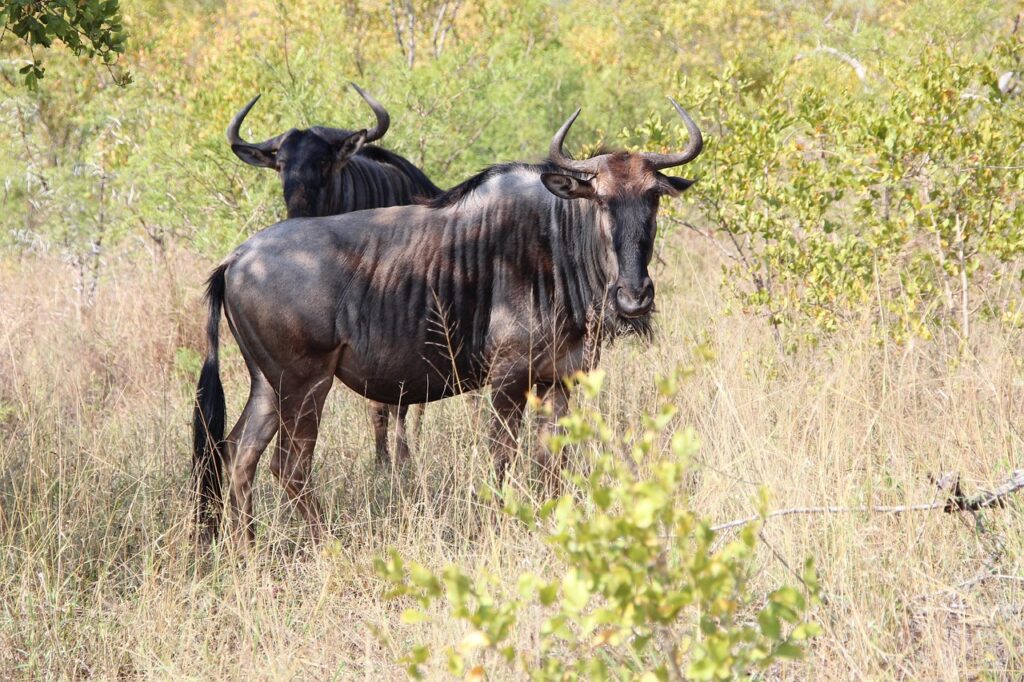
Dry Season (June to October) — Best overall
This is widely considered the top time for safaris, because, it is the time where Animals gather around water sources, making them easier to spot. also at this time Vegetation is thinner, so visibility is excellent.
This time is Ideal for visiting iconic parks like Serengeti National Park and Ngorongoro Crater
At this time you will have a great chance to see predators in action
This period includes short rains (Nov–Dec) and long rains (March–May).
Green Season (November to May) — Best for scenery & fewer crowds
Pros:
Lush landscapes and dramatic skies (great for photography)
Fewer tourists and lower prices
Excellent birdwatching (migratory birds arrive)
Highlight:
Calving season (January–February) in southern Serengeti—thousands of wildebeest births attract predators
Cons:
Roads may be muddy or harder to access during heavy rains.
Quick guide
- Best all-around: June–October
- Best for migration drama: July–September
- Best for baby animals: January–February
- Best for budget & fewer crowds: March–May (but expect rain)
Why visit Tanzania ?
Tanzania isn’t just a safari destination it’s one of the most diverse and rewarding travel experiences in Africa. Here’s why people choose it:
The Great Migration
One of the planet’s most spectacular natural events the Great Migration happens largely in Tanzania. Millions of wildebeest and zebras move across the plains, with dramatic river crossings and predator encounters.
Beaches & islands
Think turquoise water, coral reefs, and a mix of African, Arab, and European influences—perfect for relaxation or diving.
Mount Kilimanjaro: Climb Africa’s highest peak
Is Tanzania a safe country to visit 1n 2026/2027
Yes , Tanzania is safe to travel to Tanzania in 2026/2027. Tanzania is one of the most stable and welcoming nations in East Africa, consistently attracting millions of tourists around the world. The government of Tanzania places a high priority on the tourism sector, which is a cornerstone of the national economy, and consequently, security measures in major tourist hubs
However, just like other country, petty crime and other common risks exist In Tanzania, so, being aware of common safety issues is important. Understand the local environment and follow expert advice will help your safari be smooth and secure.
Tips to stay safe in Tanzania IN 2026/2027
Respect for local customs and laws
Avoiding isolated areas after dark, especially in major urban centers
Use reputable transportation services, such as pre-arranged hotel shuttles or registered taxi companies
- Stay informed
How to get tourist visa in Tanzania
Securing a tourist visa for Tanzania is a structured process that has been significantly modernized through the implementation of the e-Visa system, which is the primary method for most international travelers. To obtain an e-Visa, applicants must visit the official Tanzania Immigration Services Department website
Requirement to Applying for eVisa in Tanzania
- Passport (valid 6+ months)
- Passport photo
- Flight itinerary (arrival + return)
- Accommodation details (hotel or safari booking
Steps to Apply for eVisa in Tanzania
- Go to the official Tanzania immigration eVisa portal
- Fill in the application form
- Upload required documents
- Pay online (usually USD $50–$100 depending on nationality)
- Wait for approval (typically 5–10 working days)
- Print your eVisa approval and travel with it
Tanzania iconic tour sites
- Serengeti National Park
- The Ngorongoro Conservation Area
- Mount Kilimanjaro
- Nyerere National Park (formerly Selous)
- Zanzibar
The people of Tanzania
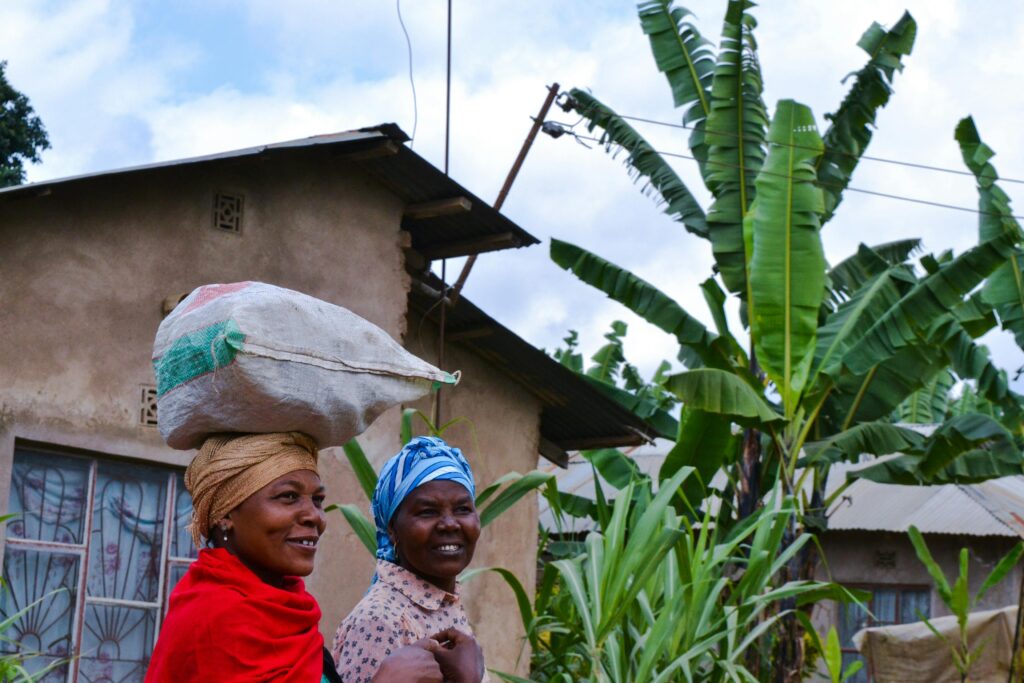
The people of Tanzania, renowned for their warmth, infectious smiles, and a spirit of hospitality that feels like a giant, welcoming hug. Comprise of about 120 tribes, with Over 120 languages spoken in Tanzania. Whether you are walking through the bustling, colorful markets of Dar es Salaam or visiting a quiet village in the shadow of Mount Kilimanjaro, you are almost certain to be greeted with a cheerful “Jambo!”. Kiswahili is the national language, introduced to unite them.
Regions of Tanzania
There are 31 regions of Tanzania, 26 on the mainland and 5 in Zanzibar. This includes: Kagera,Mwanza, Mara, Kigoma,Geita, Shinyanga, Simiyu, Arusha, Katavi, Rukwa, Tabora, Mbeya, Singida, Dodoma, Iringa, Songwe, Njombe, Ruvuma, Mtwara, Lindi, Pwani, Tanga, Morogoro, Manyara, Kilimanjaro, Dar es Salaam, Pemba North, Pemba South, Unguja North, Mjini Magharibi and Unguja South.
Tanzania culture
Food: Tanzanian cuisine is unique and widely varied, however the popilar foods includes Ugali (maize porridge), Rice, beans, plantains, and grilled meats (nyama choma) .
Religion: Tanzania is religiously diverse, but the main religions are Christianity and Islam. Religious tolerance is generally strong.
The main language spoken in Tanzania
The national language is Swahili (Kiswahili), which unites the country.