
the best time to climb kilimanjaro
timing mathers
Are you ready to conquer the undisputed highest point in Africa?
Discover the secrets of timing your ascent in our latest article
in this article you will get to unlock the ideal seasons for breathtaking views, optimal weather conditions, and fewer crowds. You’ll learn about the unique experiences each month offers, ensuring you choose the perfect time for your adventure. Don’t miss out on this essential guide to making your dream climb a reality
Kilimanjaro's climbing seasons
Dry season
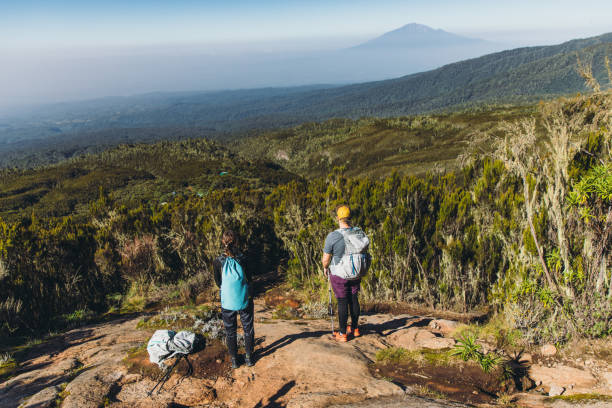
Dry season starts on January to mid-March and June to October ; this is the high season and busiest months it is the good time where the number of tourist who climb kilimanjaro is on high, normally these months offer better weather condition and drier trail hence increase high summiting success rate.
rainy season
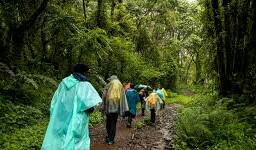
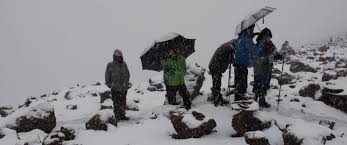
The rainy seasons starts from late March to May and from November to late December, this is low season due to fewer number of visitors who climb Kilimanjaro , generally these months characterised with increase in precipitation, muddy and slippery trails as well as harsh summit conditions often with snow and ice, on these months summiting success rate is low
When is the best time to climb mount kilimanjaro?
You might be asking your self as to when is the best time for you to conquer the roof of africa?. Actually, Kilimanjaro mountain can be climbed throughout the year, however there some months where it become very dangerous to attempt it, with low summiting success rate. Factors like Severe colder temperature, heavier rainfall and comprehensively snow falling on the summit cause discomforts during trekking and impact to climbing seasons.
However having good knowledge on the time to climb help you to plan trip to kilimanjaro at convenient time.
WhICH is the best month to climb Mount Kilimanjaro?
There is no specific month to climb Kilimanjaro, because one month differ from another and every month have its own beauty and benefits compared to another. So, choosing the best time to climb Kilimanjaro can vary from person to person depending on individual’s preferences and tolerance for specific weather conditions. However, we can only recommend to you from our experience of working on Mount Kilimanjaro, that the best time to climb Kilimanjaro is during dry seasons which are considered the most favorable for climbing Kilimanjaro, because it offer clearer skies, less precipitation, and more stable trail conditions which increase your summiting success rate.
Normally, there is no single best month to climb Kilimanjaro, as each offers unique beauty and advantages. The ideal time for your climb depends on your personal preferences and tolerance for various weather conditions. Based on our experience, we recommend climbing during the dry seasons, from January to March and June to October. These months offer the most favorable conditions with clearer skies, less precipitation, and more stable trails, significantly increasing your chances of a successful summit.
To make the best choice for your adventure, it’s important to understand the specific weather conditions of each month. Dry seasons occur from January to March and June to October. What you need to know is the weather conditions of each specific month to help you choose the best time for your adventure:
January
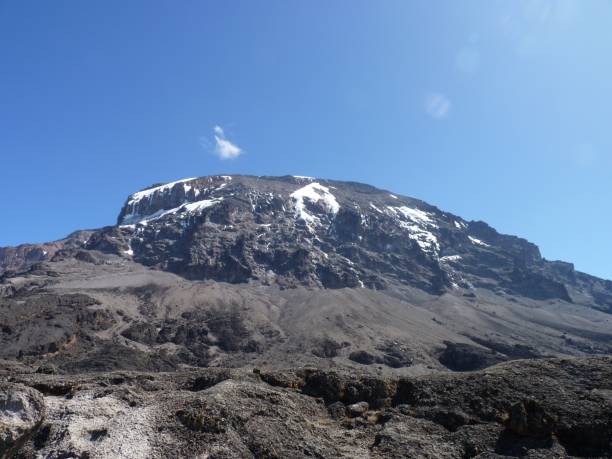
January falls within the first dry season, and the Weather Conditions is Generally clear skies and warm temperatures at lower elevations. As you ascend, temperatures drop significantly, especially at night, often reaching below freezing at higher camps and the summit. There’s a moderate chance of rain at the base and snow at higher altitudes, but it’s typically less than during the wet seasons. So, climbing at january gives Advantages like Good visibility, less crowded than July-September, and generally stable weather for summit attempts.
Ideal for Climbers who prefer cooler, drier conditions and are comfortable with the possibility of some precipitation. It’s a good option for those looking to avoid the peak crowds of later dry months.
February
February continues the dry season, often considered one of the best months. Weather Conditions: Similar to January, with generally clear skies and good visibility. Temperatures remain cool to cold at higher elevations, with summit temperatures well below freezing. Precipitation is typically low. Advantages: Excellent visibility for stunning views, relatively low rainfall, and stable trail conditions.
Ideal for: All categories of climbers, particularly those seeking optimal weather conditions with a good balance of clear skies and manageable crowds.
March
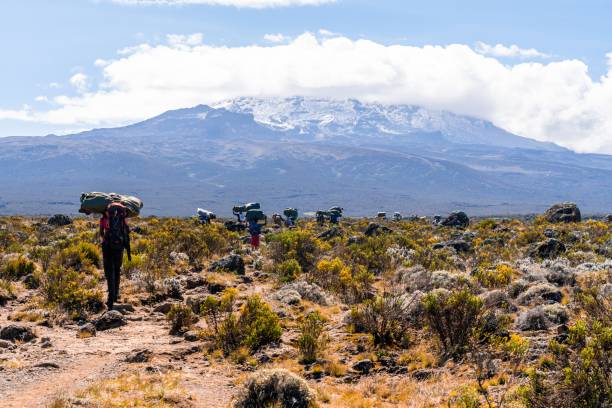
March marks the transition from the dry season to the long rainy season. Weather Conditions: The beginning of March can still offer good climbing conditions, but as the month progresses, the likelihood of rain increases significantly, especially at lower and middle elevations. Higher altitudes will experience more snow and colder temperatures. Advantages: Fewer crowds, which can lead to a more solitary experience. The landscape can be very green and lush at lower altitudes.
Ideal for: Experienced climbers who are prepared for wet and potentially muddy conditions. Budget-conscious climbers might find lower prices due to fewer tourists.
April
April is in the heart of the long rainy season. Weather Conditions: This is one of the wettest months on Kilimanjaro. Expect heavy rainfall at lower and middle elevations, and significant snowfall at higher altitudes. Trails can be very muddy and slippery, and visibility is often poor due to clouds and fog.Advantages: Extremely few crowds, offering a truly remote experience. The mountain is at its most pristine and green.
Ideal for: Highly experienced and adventurous climbers who are comfortable with challenging, wet, and cold conditions. Not recommended for first-time climbers.
May
May continues the long rainy season, though rainfall may start to decrease towards the end of the month. Weather Conditions: Similar to April, with substantial rainfall and snow. Trails remain muddy and challenging. Visibility can still be limited.Advantages: Minimal crowds, allowing for a more intimate connection with nature. Advantages: Minimal crowds, allowing for a more intimate connection with nature
Ideal for: Very experienced and resilient climbers who prioritize solitude over ideal weather.
June
June marks the beginning of the second dry season. Weather Conditions: The weather begins to improve significantly. While there might still be some residual moisture from the rainy season, especially early in the month, conditions generally become drier and clearer. Temperatures are cool to cold at higher elevations. Advantages: Improving weather conditions, fewer crowds compared to the peak dry season, and lush scenery from the recent rains
Ideal for: Climbers seeking good weather without the peak crowds of July and August. It’s a good transitional month.
July
July is a prime month for climbing Kilimanjaro, falling squarely within the dry season. Weather Conditions: Generally clear skies, excellent visibility, and stable weather. Temperatures are cold at higher altitudes, especially at night, but precipitation is minimal.Advantages: Optimal weather for summit attempts, stunning panoramic views, and generally comfortable trekking conditions. However, it is one of the busiest months
Ideal for: All categories of climbers, including first-timers, who prefer the most stable and clear weather conditions.
August
August continues to be one of the most popular and best months for climbing. Weather Conditions: Very similar to July, with consistently clear skies, minimal precipitation, and cold temperatures at higher elevations. Wind can sometimes be a factor at exposed sections. Advantages: Excellent summit success rates due to stable weather, superb visibility, and generally pleasant trekking.
Ideal for: All categories of climbers, especially those who prioritize clear weather and don’t mind larger crowds.
September
September remains an excellent month for climbing, still within the dry season. Weather Conditions: Continues the trend of clear skies and minimal rainfall. Temperatures are cold at altitude. Towards the end of the month, there might be a slight increase in the chance of afternoon showers as the short rainy season approaches.Advantages: Great weather for climbing, good visibility, and still relatively stable conditions.
Ideal for: All categories of climbers who want to experience the dry season conditions but might prefer slightly fewer crowds than July and August.
October
October is a transitional month, moving from the dry season into the short rainy season. Weather Conditions: The beginning of October can still offer good climbing conditions, but as the month progresses, the likelihood of afternoon showers increases. Lower elevations will experience more rain, while higher altitudes may see more snow.Advantages: Fewer crowds than the peak dry months, and the possibility of experiencing both dry and wet conditions
Ideal for: Climbers who are prepared for some rain and want to avoid the peak crowds. It can be a good option for those seeking a balance between weather and solitude.
November
November is the heart of the short rainy season. Weather Conditions: Expect significant rainfall at lower and middle elevations, and snow at higher altitudes. Trails can be muddy and slippery, and visibility is often reduced by clouds and fog.Advantages: Very few crowds, offering a more solitary experience. The mountain is exceptionally green.
Ideal for: Experienced climbers who are comfortable with challenging, wet, and cold conditions. Not ideal for first-time climbers.
December
December is also part of the short rainy season, though conditions can improve towards the end of the month. Weather Conditions: Similar to November, with considerable rainfall and snow. However, the latter half of December, leading up to Christmas and New Year, can sometimes see a brief improvement in weather, attracting more climbers.Advantages: Fewer crowds for most of the month, and a unique experience for holiday climbers.
Ideal for: Experienced climbers who are prepared for wet conditions. Those looking for a unique holiday season climb might consider it, but should be prepared for variable weather.